
US Single-Family Housing Starts Surge as Permits Decline
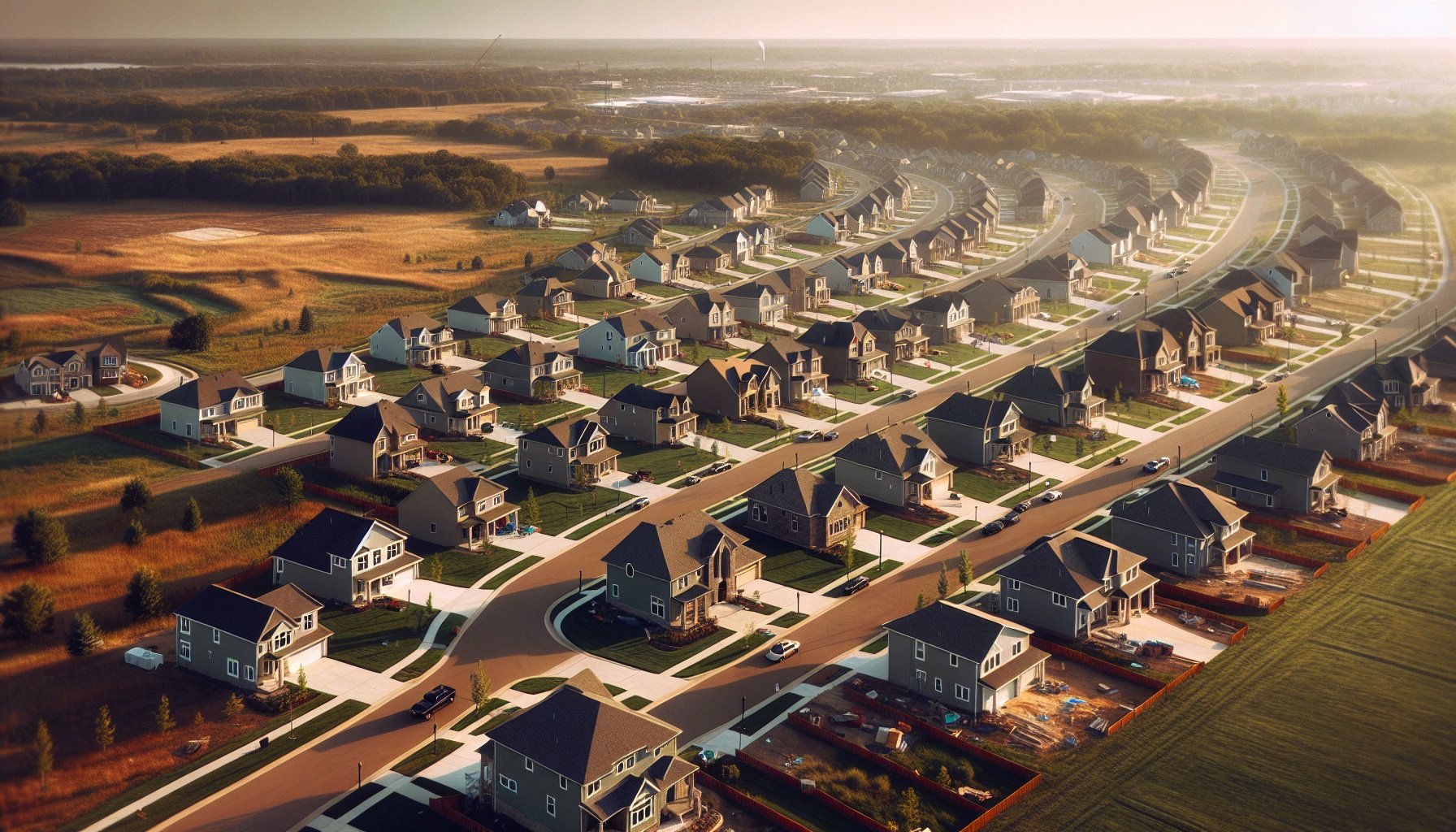
Surging single-family housing starts paired with slipping permits has turned the construction market into a high-stakes juggling act. Builders face pressure to keep crews busy today while wondering if the pipeline will dry up six months from now. Material orders must be placed against shifting demand, pricing remains volatile, and unsold inventory hangs over every decision. The recent US single-family housing starts rebound in October, building permits dip (US single-family housing starts rebound in October, building permits dip) highlights that U.S. single-family homebuilding rebounded in October, rising to a seasonally adjusted annual rate that signals some recovery in new construction activity, even as forward-looking permits show more caution.
Quick Navigation:
Recent Trends in US Single-Family Housing Starts | Diverging Path: Rising Starts vs. Declining Building Permits | Impact on Builders, Trades, and the Broader Construction Market | Frequently Asked Questions
This split picture creates real strain on planning, scheduling, and cash flow. Starts rising means more concrete to pour, more framing to schedule, and more trades to coordinate, but softer permits challenge long-term staffing and land strategy. Subcontractors see workloads spike in the near term while worrying about gaps later, and suppliers balance stocking up against the risk of being left with expensive inventory. Developers and builders navigate tough choices on lot releases, project phasing, and which markets justify fresh investment when the future looks less certain than the present.
These pressures matter because housing cycles ripple across labor markets, local economies, and pricing for both new and existing homes. A mismatch between robust starts and easing permits can tighten near-term inventory while signaling a possible slowdown ahead, affecting everything from subcontractor availability to delivery times. As mortgage rates shift and demand patterns change by region, the difference between a well-timed project and a costly misstep grows wider. Understanding how today’s start and permit trends interact sets the stage for smarter land planning, better risk management, and more resilient construction pipelines.
Recent Trends in US Single-Family Housing Starts
While the split between starts and permits raises planning challenges, the latest Commerce Department data also shows how today’s construction pace compares with recent cycles. Single-family starts remain below the pandemic-era peak but stand well above the slowdown seen earlier in 2023, suggesting demand is stabilizing rather than collapsing. Regional patterns are beginning to diverge, with some Sun Belt and Midwest markets showing stronger momentum than coastal metros. The mix of product type is shifting as well, with more emphasis on smaller, more affordable homes. These dynamics shape the character of the current rebound in single-family housing starts.
Latest Commerce Department data on single-family housing starts and month-over-month performance
Commerce Department estimates show single-family housing starts rising to an annual pace in October that was several percentage points above September’s revised level, marking one of the stronger month-over-month gains of the year. The increase came after a softer late-summer stretch, suggesting some pent-up demand moved forward despite higher mortgage rates. Regionally, month-over-month gains were led by the South and Midwest, while parts of the West remained more muted, reflecting land costs and tighter credit. The data also show a shift toward smaller, more cost-conscious floor plans as builders work to hit payment-sensitive price points. Taken together, the latest numbers point to a rebound driven less by speculative building and more by targeted projects aligned with constrained but steady buyer demand.
Keep in Mind: Overall housing starts in August 2025 fell 8.5% to 1.307 million units annually, yet single-family starts at 890,000 units demonstrated resilience amid broader market challenges in the construction industry.
Comparison with multi-family and total housing starts across major US regions
Compared with single-family activity, multi-family housing starts have softened, especially in regions where large apartment pipelines are nearing completion. Commerce Department figures show total housing starts registering only modest gains because weaker multi-family numbers offset single-family strength. In the South, single-family construction now represents a growing share of total starts as some Sun Belt metro areas scale back new apartment projects after several years of heavy building. The Midwest shows a similar pattern, with relatively stable multi-family activity and a clearer tilt toward single-family. By contrast, the West and Northeast still rely more heavily on multi-family projects, but recent declines in those segments keep regional total starts subdued even as single-family construction edges higher, underscoring a gradual rotation toward detached homes.
Worth Noting: Single-family housing starts in the United States increased 15.8% in December 2024 to a seasonally adjusted annual rate of 1.50 million units, marking the highest level since February 2024.
Factors driving the rebound: mortgage rate shifts, demand for new inventory, and builder backlogs
The rebound in single-family starts reflects a response to shifting financial and supply dynamics. Mortgage rates have eased from recent peaks, improving affordability enough to unlock sidelined demand, even if borrowing costs remain elevated by historical standards. At the same time, existing-home inventory stays tight as many owners remain “rate locked” into older, cheaper mortgages, pushing more buyers toward new construction. Builders are working through sizable backlogs accumulated during prior material shortages and labor constraints, so current starts partially represent long-delayed projects finally moving forward. Incentives such as rate buydowns and closing-cost assistance also support absorption of that backlog, encouraging builders to initiate additional spec homes despite a slower pace of new permits entering the pipeline.
Diverging Path: Rising Starts vs. Declining Building Permits
The widening gap between single-family starts and permits also reflects shifting expectations across different parts of the housing ecosystem. Lenders, land sellers, and local governments increasingly track permits as an early signal of future tax base, infrastructure needs, and service demand, while current starts drive near-term employment and material consumption. As starts outrun permits, construction activity leans more heavily on existing backlogs and previously entitled lots, raising questions about how durable today’s pace will be once that pipeline thins. This diverging path between present production and future intent now shows up most clearly when comparing regional patterns, builder size, and product type.
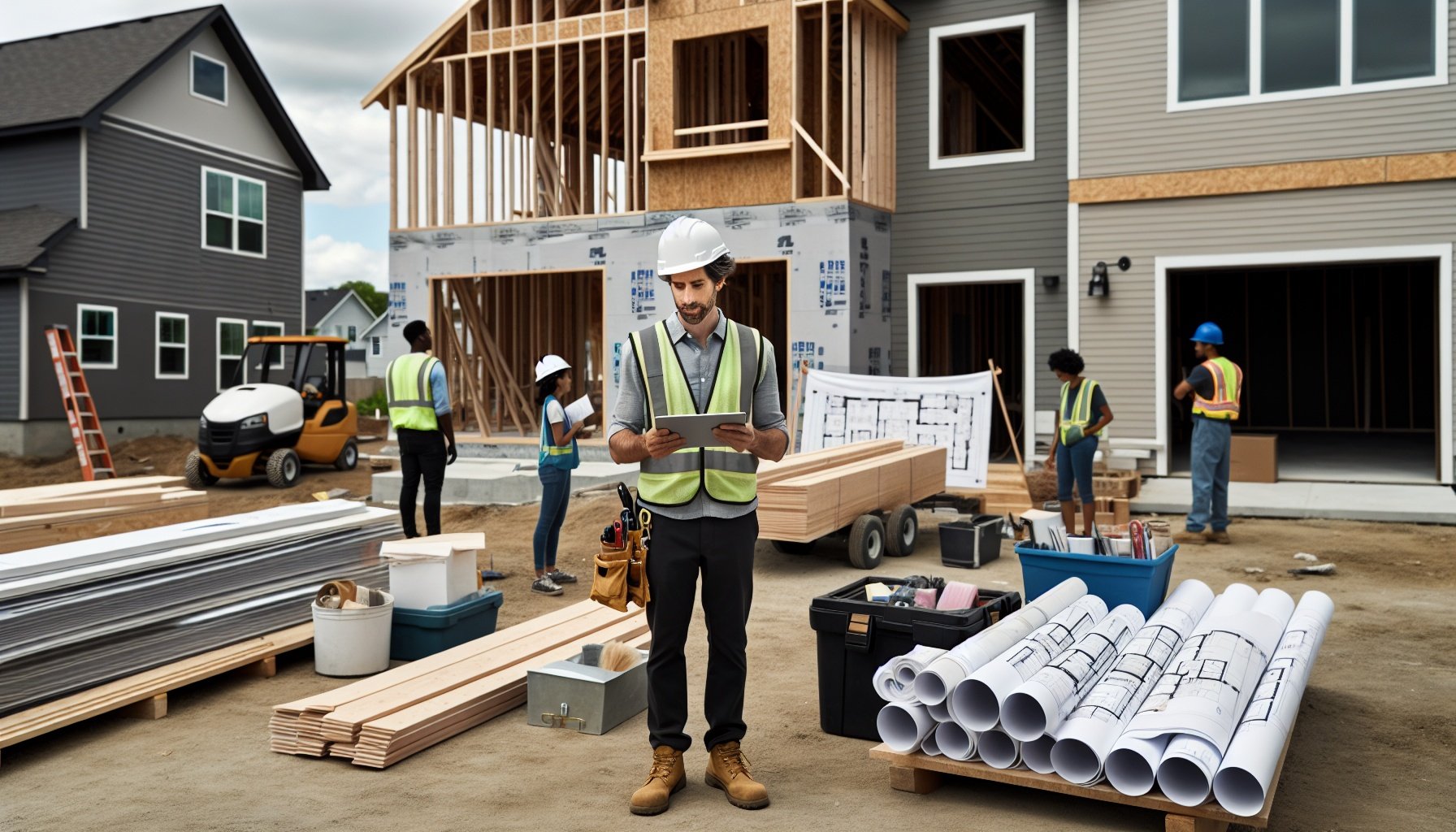
Keep in Mind: Privately-owned single-family housing authorizations by building permits in August 2025 reached a seasonally adjusted annual rate of 856,000, reflecting a 2.2% decline from July but indicating steady demand in the construction sector.
Source: U.S. Census Bureau
National permit volume trends and their relationship to forward-looking construction activity
Commerce Department data show that single-family permit volumes have trended lower on a year-over-year basis even as starts recover, signaling caution about construction activity six to twelve months ahead. Permits typically lead groundbreakings, so a persistent decline often foreshadows slower future starts, especially once the current pipeline of previously approved projects is worked through. The recent pattern suggests builders are prioritizing completing homes already underway rather than aggressively committing to new lots. Lower permit issuance also reflects tighter lending standards and uncertainty around mortgage rates, which can delay subdivision phases or lot development. If permit volumes remain constrained, the recent rebound in starts risks losing momentum, limiting future inventory growth and keeping pressure on home prices and rents.
Expert Insight: U.S. housing starts data for 2025 revealed that metros like those in Texas and the Southeast led in new single-family construction, driving national trends in permit issuances and industry expansion.
Source: Construction Coverage
Regional differences in permit issuance and how they shape near-term building pipelines
Commerce Department data show that permit trends diverge notably by region, creating uneven near-term pipelines. The South, which accounts for the largest share of single-family construction, has seen milder permit declines, supporting a relatively stable flow of future starts in fast-growing metros such as Dallas–Fort Worth, Atlanta, and Tampa. By contrast, the West and Northeast report steeper pullbacks, reflecting higher land costs, stricter zoning, and greater sensitivity to financing costs, which collectively point to thinner backlogs later in the year. The Midwest sits near the national average, with modest permit softness tied to slower population growth. These regional patterns suggest that future supply will remain more resilient in lower-cost, high-migration markets and more constrained in coastal and legacy urban areas.
Implications of the permit decline for land planning, lot development, and project timing
Declining permit volumes increasingly force builders and developers to recalibrate land pipelines and lot release strategies. With fewer future projects authorized, land acquisition decisions tend to favor smaller phases, shorter holding periods, and sites with existing entitlements to limit exposure. Lot development schedules also compress, as firms prioritize fully finished lots that can move quickly into starts over raw land requiring lengthy approvals. This shift can create gaps between completed communities and the next wave of buildable lots, especially where permitting offices face backlogs or changing regulations. Project timing becomes more sensitive to local review cycles, pushing some builders to delay vertical construction, re-sequence phases, or stretch build-out periods to match a thinner flow of new permits into the system.
Impact on Builders, Trades, and the Broader Construction Market
While recent data point to shifting levels of single-family activity, the practical consequences are now filtering through the construction labor force, supply chains, and pricing dynamics. The combination of firmer starts and softer permitting alters visibility for builders, subcontractors, and material suppliers, affecting staffing decisions, bid strategies, and project pipelines. Trade capacity that was stretched during the last boom is recalibrating, with implications for wage pressures and subcontractor availability. At the same time, manufacturers and distributors are reassessing production runs and inventory policies. These adjustments shape how construction firms operate day to day, as well as how the broader market absorbs risk and allocates capital.
Interesting Fact: The rebound in U.S. single-family housing starts toward the end of 2024 contributed to a surge in residential remodeling activity, boosting local economies and supporting job growth in the construction sector.
Source: Finance & Commerce
Effects on builder sentiment, labor utilization, and subcontractor demand across the housing cycle
The gap between robust starts and softer permits is feeding into a cautious but still generally constructive builder sentiment. Large public builders report steady sales absorption and are keeping crews fully deployed, while smaller, credit‑sensitive firms are more guarded and slower to ramp staffing. Labor utilization is running tight in framing, mechanical trades, and concrete, as firms prioritize completion of existing backlogs rather than expanding headcount. Subcontractor demand remains elevated in active Sun Belt and exurban markets, but shows early signs of normalization where permits have slowed more sharply. Over a typical housing cycle, this pattern tends to move from overtime and premium pricing at the peak, to schedule gaps and rate discounting once backlogs burn off and new permit volume fails to refill the pipeline.
Material procurement, cost pressures, and scheduling challenges under rising starts but shrinking permits
Rising starts against softer permits are tightening near‑term material procurement while muting longer‑term ordering commitments. Lumber, roofing, Windows, and mechanical equipment remain in steady demand as builders push existing backlogs to completion, sustaining volume discounts but limiting leverage to negotiate lower prices. Suppliers respond by prioritizing high‑volume builders and just‑in‑time deliveries, which raises exposure to delays from weather, transportation, or factory outages. At the same time, fewer new permits reduce visibility into future volumes, making distributors cautious about expanding inventories, especially on specialized SKUs. This mix compresses scheduling flexibility: cycle times stay extended when one or two critical items slip, yet trades hesitate to pre‑sequence work far ahead, knowing that today’s strong starts may not be matched by tomorrow’s pipeline.
Worth Noting: Building permit trends in 2025 showed a sharp decline in single-family authorizations in the Twin Cities metro area, highlighting regional variations in housing development across the United States.
Source: Finance & Commerce
Inventory levels, new-home pricing power, and competitive dynamics with existing home listings
Tight existing-home inventory continues to support pricing power for new construction, especially in markets where resale owners are locked in by low mortgage rates and reluctant to list. With single-family starts rebounding, builders are selectively increasing speculative inventory but remain disciplined, targeting fast-turning price tiers rather than broad overproduction. The softer permit trend limits the risk of a future oversupply wave, allowing many builders to hold base prices and rely on targeted incentives instead of broad discounting. Competitive pressure from existing listings is most intense where older homes offer substantial price discounts relative to new builds, pushing builders to differentiate through Energy efficiency, warranties, and quick move-in timelines rather than large price cuts, helping stabilize margins despite shifting demand conditions.
Conclusion
National single-family housing starts are rebounding, even as permits soften and the gap between present activity and future intent widens. Production is leaning more heavily on existing backlogs and previously entitled lots, while permits send a cooler signal about longer-term momentum. That mix is shaping a shift toward smaller, more affordable homes and reshaping conditions for labor, supply chains, and pricing. The result is a construction landscape defined by active job sites today, but more uncertainty about tomorrow’s pipeline. Clearer planning, disciplined risk management, and close tracking of both starts and permits can turn this volatility into opportunity, helping builders, lenders, and policymakers support a more balanced, resilient single-family housing market ahead.
Frequently Asked Questions
- What does a surge in US single-family housing starts mean for the construction industry?
- A surge in US single-family housing starts means more new homes are actually beginning construction. This signals strong current demand for new housing, more active job sites, and higher short‑term workload for builders, subcontractors, and suppliers.
More starts usually bring:
– Increased demand for materials like lumber, concrete, roofing, and windows
– More work for trades such as framers, electricians, plumbers, and HVAC crews
– Busier schedules for inspectors, surveyors, and engineers
For regions like Central Louisiana, a jump in housing starts can boost local employment and push more development around growing areas, such as near major highways, schools, and shopping centers. It often reflects buyer confidence, lower resale inventory, or attractive mortgage conditions that encourage people to build instead of buy existing homes. - How can single-family housing starts rise while building permits decline?
- Single-family housing starts and permits track different points in the construction pipeline. A building permit is an approved plan that allows construction to begin, while a housing start is when work actually begins on the foundation.
Starts can rise while permits decline when:
– Builders are working through a backlog of previously approved permits
– Developers rush projects that were already planned before conditions changed
– Local markets move from planning mode to building mode
This pattern often shows strong near‑term building activity using older permits, but can also hint at softer future activity if fewer new permits are being filed. For construction companies, it means current projects stay busy, but long‑term planning needs closer attention. - What does a decline in single-family building permits suggest about future housing supply?
- A decline in single-family building permits usually suggests that future housing supply could slow down. Fewer permits mean fewer projects are being approved and lined up to start over the next several months.
A drop in permits can be caused by:
– Higher interest rates making new projects harder to finance
– Rising construction costs for labor and materials
– Stricter zoning rules or longer approval timelines
– Builders turning cautious about future demand
If this trend continues, some markets may see tighter housing inventory down the road, which can keep home prices elevated. For fast‑growing communities, like many parts of the South and Gulf Coast, a decline in permits can eventually limit options for buyers looking for new construction homes. - How do changing housing starts and permits affect construction costs and timelines?
- When housing starts surge, construction activity heats up across the board. This often leads to:
– Higher demand for skilled trades, which can push labor costs up
– Tighter schedules for subcontractors, leading to longer wait times
– Pressure on local suppliers for concrete, framing lumber, roofing, and finishes
At the same time, declining permits reduce the number of future projects in the pipeline. If that trend continues, it can eventually:
– Ease pressure on labor and materials
– Stabilize or slow cost increases
– Shorten wait times for new projects
In places like Central Louisiana, where weather, storm seasons, and local events already influence schedules, these shifts in starts and permits can make planning crews, deliveries, and inspections even more important to keep projects on track. - Why are single-family housing starts important for local economies?
- Single-family housing starts are a key driver of local economic activity. Each new home launched supports jobs, purchases from local suppliers, and ongoing demand for services.
New housing starts bring:
– Construction employment for crews and subcontractors
– Sales for local building supply yards, hardware stores, and equipment rentals
– Future spending at nearby businesses such as grocery stores, schools, and healthcare facilities
In regions like Central Louisiana, more new homes can also encourage investments in roads, utilities, and community amenities. Neighborhoods grow near local landmarks, schools, and churches, supporting long‑term stability. Over time, these projects help strengthen tax bases and fund public services that benefit the wider community. - How do interest rates and financing conditions impact single-family starts and permits?
- Interest rates and financing conditions directly shape both the demand for new homes and the willingness of builders to launch projects.
When interest rates are lower:
– Monthly mortgage payments become more affordable
– More buyers consider building instead of renting or buying resale homes
– Builders feel more confident about starting and permitting new projects
When rates rise:
– Some buyers delay or cancel plans for new construction
– Lenders may tighten standards or reduce loan amounts
– Builders may slow permit applications or limit speculative builds
This push‑and‑pull shows up first in permits, as plans are adjusted, and then in housing starts. Markets with strong job growth and steady population gains, such as many Southern metros, often see more resilience, even when financing becomes tougher. - What risks and opportunities do surging starts and falling permits create for builders and homeowners?
- Surging single-family starts with falling permits create a mix of short‑term opportunity and long‑term risk.
Opportunities:
– Busy job sites and strong demand for current projects
– Potential for healthy pricing on new homes due to solid demand
– Better use of existing permit backlogs and planned developments
Risks:
– Fewer permits today can mean fewer projects later, creating a future slowdown
– Intense competition for labor and materials can stress budgets and schedules
– Sudden shifts in interest rates or buyer confidence can leave speculative projects exposed
For builders, careful forecasting and flexible scheduling become critical. For current and future homeowners, this environment can bring more choices today, but possibly tighter inventory and continued price pressure if permits remain weak and population growth stays strong.