
Louisiana Construction Faces Change With Migrant Worker Proposal
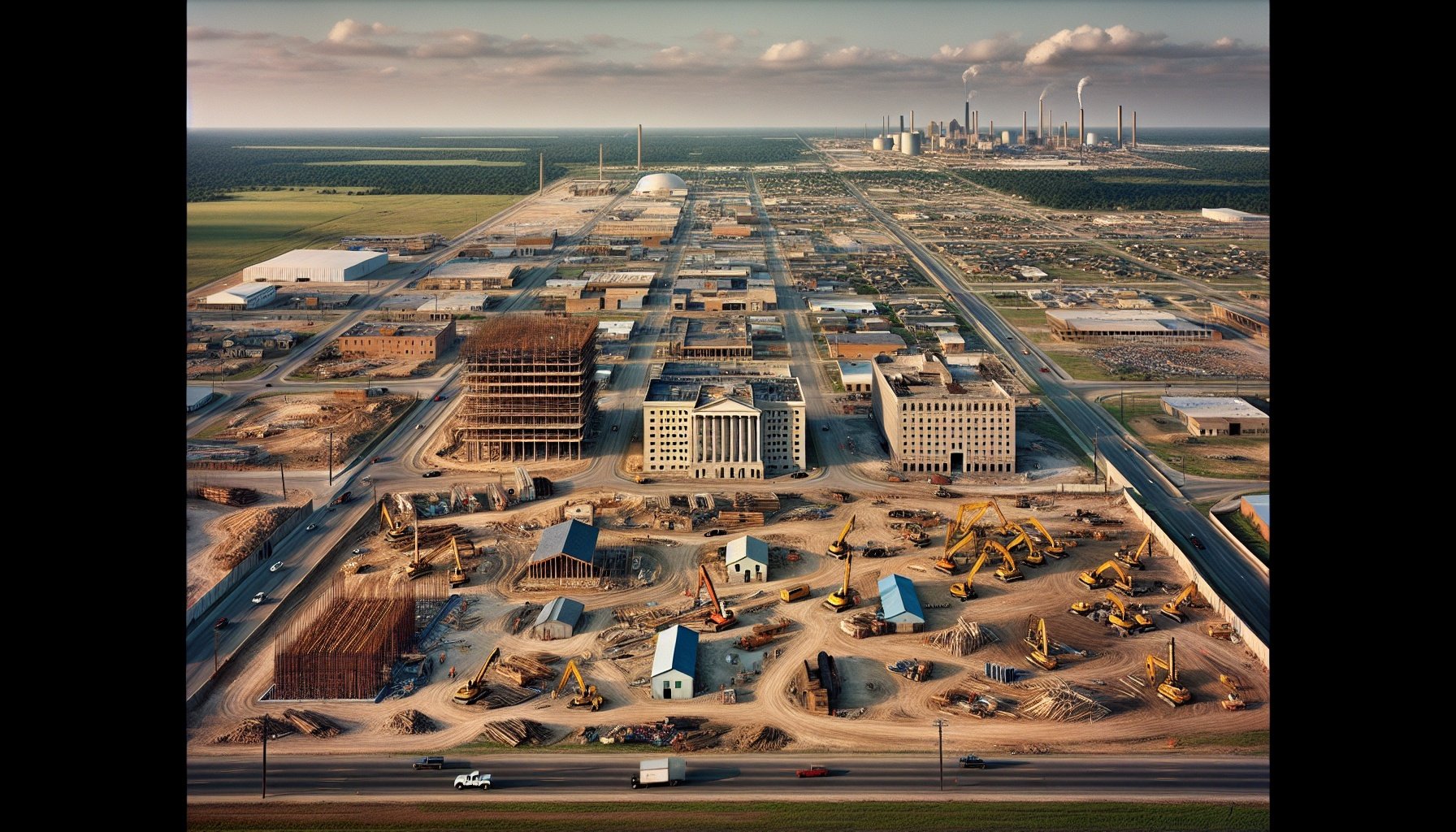
Schedules across Central Louisiana construction are getting squeezed from every side, and every delay feels more expensive than the last. Residential builds in Alexandria, tenant finish-outs in Pineville, and concrete pours along MacArthur Drive all chase the same shrinking pool of skilled hands. Crews jump across the Sabine River to Texas for steadier hours and higher wages, leaving contractors back home scrambling to staff framing, roofing, and slab work. Against that backdrop, a push from U.S. Rep. Monica De La Cruz for a new legal work visa program for construction migrants, covered in Republican Texas congresswoman wants legal status for migrant workers in construction industry – CBS News, suddenly feels a lot closer to Cenla than many expected.
Quick Navigation:
Regional Labor Pressures in Central Louisiana Construction | Key Features of the Migrant Worker Legal Status Proposal | Direct Impacts on Louisiana Construction Labor and Business Operations | Frequently Asked Questions
Labor pressures stretch far beyond a single job site. Bids in Rapides, Grant, and Avoyelles Parishes get blown up when subcontractors pull out to chase larger crews and better rates in Houston or Dallas, forcing project owners to choose between paying more or waiting longer. Smaller Home improvement firms feel the strain first, as reliable drywall, paint, and flooring subs get booked months out or head west on I-10 and I-20. When ICE actions, changing visa rules, and new state-level proposals collide, every change at the border shows up as a busted timeline or a cost overrun on a Louisiana punch list.
Those headaches matter for more than profit margins. Schools, medical offices, plant expansions along the Red River, and new homes from pineville to DeRidder all depend on a stable, skilled workforce that can plan weeks ahead instead of day to day. Any new legal status program for migrant workers could steady labor, improve safety training, and make scheduling less of a gamble—but only if rules, verification systems, and state-federal coordination actually work on the ground. As Texas moves first, Louisiana builders watch closely, weighing the risks and opportunities that could reshape how every slab, roof, and renovation gets done across Central Louisiana.
Regional Labor Pressures in Central Louisiana Construction
Regional labor pressure does not hit every corner of Central Louisiana the same way. Alexandria’s commercial corridors, hospital expansions, and school upgrades pull in one mix of trades, while rural jobs across Rapides, Grant, and Avoyelles rely heavily on traveling crews and subcontractors from the I‑49 and I‑10 corridors. Wage competition now comes not only from Texas metros but from industrial megaprojects along the Mississippi River and the Lake Charles energy corridor, tightening the pool of framers, finish carpenters, concrete hands, and licensed electricians. These local push-and-pull forces shape how any new migrant worker program would actually play out on Cenla job sites.
Current labor shortages across residential, commercial, and industrial projects in Central Louisiana
Labor gaps now run through every project type in Central Louisiana, from new subdivisions outside Alexandria to hospital upgrades and mill expansions along the Red River. Residential builders in Rapides and Grant parishes report framing and Roofing crews booked out weeks longer than normal, stretching simple remodels into months and pushing first-time homebuyers to the sidelines. On the commercial side, tenant build-outs near the Coliseum Boulevard retail corridors struggle to lock in finish carpenters, licensed electricians, and HVAC techs, forcing phased openings and higher fit-out allowances. Industrial sites between Pineville and Cheneyville face a different squeeze: limited numbers of NCCER-certified craft workers and plant-experienced welders mean shutdowns and capital projects must compete head‑to‑head with Gulf Coast refineries and Lake Charles LNG work for the same small talent pool
Interesting Fact: The concentration of immigrant workers in Louisiana’s construction trades, such as roofing and framing, has sustained industry growth, with foreign-born laborers filling essential roles in 2025.
How Texas construction trends and wages pull skilled workers away from Louisiana job sites
Strong construction demand across Texas pulls many experienced Central Louisiana workers westward, especially to Metro Houston, Dallas–Fort Worth, and the I‑35 corridor. Highway expansions, logistics hubs tied to the energy sector, and large-scale residential communities often advertise steady overtime, travel per diem, and higher hourly rates than typical wages around Alexandria or Pineville. Drywall, concrete, structural steel, and commercial electrical crews see the biggest gap, as Texas contractors regularly bundle lodging allowances and project bonuses into recruitment offers.
As Texas builders gear up for potential federal changes tied to the migrant worker proposal, contractors there prepare to formalize and expand workforces. If new legal pathways increase labor stability in Texas faster than in Louisiana, wage pressure and cross-border poaching could intensify, widening gaps on Central Louisiana job sites and extending timelines for home, retail, and light industrial projects.
Keep in Mind: Immigrant labor has historically supported Louisiana’s post-hurricane rebuilding efforts, with migrant workers contributing to faster recovery and economic growth in construction since 2005.
Project delays, bid prices, and subcontractor availability in Alexandria, Pineville, and surrounding parishes
Across Alexandria, Pineville, and nearby parishes like Rapides, Avoyelles, and Grant, thin subcontractor benches now shape project schedules as much as design or financing. Concrete crews often book out six to eight weeks for slab work in new subdivisions off Highway 28 West, pushing closing dates and delaying follow‑on trades. Commercial remodels along MacArthur Drive report only two or three responsive bids for specialty trades, where five or six was common a few years ago, driving bid prices 10–20% higher. Mechanical and electrical subs sometimes hold bids open only a few days, citing fluctuating labor costs and possible Texas pull‑outs. A clearer migrant worker pathway could steady crew counts, but any surge of Texas recruitment would still leave Central Louisiana vulnerable to sporadic gaps in key trades.
Key Features of the Migrant Worker Legal Status Proposal
Those regional pressures set the stage for a closer look at what the proposed migrant worker legal status program actually contains. Beyond headlines about more visas, the draft framework outlines who qualifies, how long workers could stay on-site in states like Louisiana, and what safeguards would govern wages, training, and jobsite safety. Provisions around employer sponsorship, verification systems, and caps by trade could shape everything from framing crews in Rapides Parish to specialty subcontractors on industrial work along the Red River. Understanding these key features helps clarify how the proposal might function on the ground for construction labor across Central Louisiana.

Good to Know: In Louisiana, the construction industry relies heavily on immigrant workers, who make up over 25% of the workforce, helping to meet the demand for new infrastructure projects in 2024.
Core elements of the Texas proposal and how they differ from existing H-2B and seasonal work visas
Rep. De La Cruz’s plan centers on state-screened, employer-tied work permits that operate more like long-running project visas than short seasonal stints. Unlike H‑2B caps that reset each year and cover many low-wage industries, the Texas framework targets licensed trades and trained craft labor, with multi-year authorization tied to clean records, safety training, and verified payroll tax contributions. Existing seasonal visas usually require workers to leave the country between contracts, disrupting crews on multi-phase builds. The proposal instead contemplates continuity, letting vetted workers stay with the same contractor through full subdivisions, hospital wings, or school additions. That stability could pull migrant talent toward well-managed firms in Central Louisiana, while raising questions about how enforcement, portability, and wage standards would align with federal rules.
Keep in Mind: Proposed legal status reforms for migrant workers could add up to 500,000 new laborers to the U.S. construction sector by 2025, including boosts for Louisiana’s growing coastal developments.
Source: National Immigration Forum
Potential eligibility, documentation, and employer compliance requirements for Louisiana contractors
Potential Louisiana adoption of a similar framework would likely hinge on clear eligibility screens around trade skills, safety history, and identity verification. Contractors across Central Louisiana—especially in fast-growing corridors like Alexandria–Pineville—could be required to show that candidates possess verifiable construction experience, OSHA-style safety credentials, and clean criminal and immigration records. Documentation obligations might resemble a hybrid of I-9 and H‑2B filekeeping: copies of state-issued work permits, job-specific contracts, proof of wage rates, and time-limited project assignments tied to particular sites, such as hospital expansions or hurricane-repair work in Rapides and Avoyelles Parishes. Employer compliance could also involve enrollment in E‑Verify, periodic audits of payroll and tax remittances, and mandatory reporting when workers change job sites or are laid off, adding administrative load but reducing misclassification and off‑the‑books hiring risks.
Interesting Fact: Enhancing legal status for migrant workers could increase Louisiana’s construction output by integrating skilled labor, supporting economic expansion in the state’s energy and housing sectors through 2025.
Expected timelines, enforcement mechanisms, and coordination between federal agencies and Gulf South states
Early drafts discussed in Texas suggest a multi-stage rollout, with DHS and the Department of Labor piloting the system over 12–24 months before wider Gulf South expansion. Louisiana construction firms could see a transition period where existing H-2B crews work alongside newly permitted workers while agencies refine background checks and skills verification. Enforcement would lean on joint DHS–state labor task forces, pairing immigration status checks with wage, safety, and payroll compliance audits on larger projects like highway widening or hospital construction. Coordination across Texas, Louisiana, Mississippi, and Alabama would likely use shared databases for work permits and job-site assignments, reducing “state hopping” and helping federal agencies redirect limited inspection staff to regions facing the most severe labor shortages and storm-recovery workloads.
Direct Impacts on Louisiana Construction Labor and Business Operations
Those regional labor pressures set the stage for much sharper questions around day‑to‑day business operations. A structured legal pathway for migrant construction workers would not just shift where crews come from; it would reshape how Louisiana contractors staff jobs, bid projects, and manage risk. Payroll systems, insurance coverage, safety training, and licensing checks would all need to adapt to a more formal, document-heavy workforce. Smaller home improvement firms and mid‑size commercial builders could see different cost curves than large industrial contractors, opening a gap between companies that adjust quickly and those that struggle to keep projects on schedule and on budget.
Workforce stabilization, safety standards, and training opportunities for framing, roofing, concrete, and specialty trades
By tying legal status to verified training hours, the proposal creates a steadier pipeline of framers, roofers, concrete finishers, and specialty crews who can stay with the same contractor across multiple projects instead of cycling in and out of the state. Standardized safety requirements modeled on OSHA, plus mandatory orientation in Spanish and English, could reduce fall incidents on steep-pitch roofs in Alexandria, formwork failures on concrete pours near the Red River, and tool-related injuries on specialty façade and metalwork tasks. Structured pathways for skill upgrades—such as moving a laborer into wall layout, rebar placement, or advanced waterproofing—mirror existing H‑2B and H‑2A training add-ons, but with longer timelines that support true workforce development rather than short-term labor patches.
Good to Know: Legalizing migrant workers’ status in Louisiana’s construction industry could reduce labor shortages by 20%, enabling timely completion of residential and commercial projects in 2024-2025.
Source: Urban Institute
Effects on labor costs, bidding strategies, and scheduling for home improvement firms and small contractors
For home improvement firms and small contractors, a larger pool of legally authorized migrant workers would likely calm the steep wage spikes that happen before storm seasons and during big industrial shutdowns, but base labor rates could trend higher as training and compliance costs rise. Bidding strategies would shift from padding estimates for unpredictable labor shortages to tighter, more time‑certain proposals, especially on roofing, siding, and elevation jobs common after Gulf Coast storms. Firms that now turn away work due to crew limits could bid additional kitchens, baths, and porch additions, spreading fixed costs over more contracts. More reliable labor supply would also support staggered scheduling across multiple neighborhoods, reducing idle days between inspections and subcontractor handoffs on small residential projects.
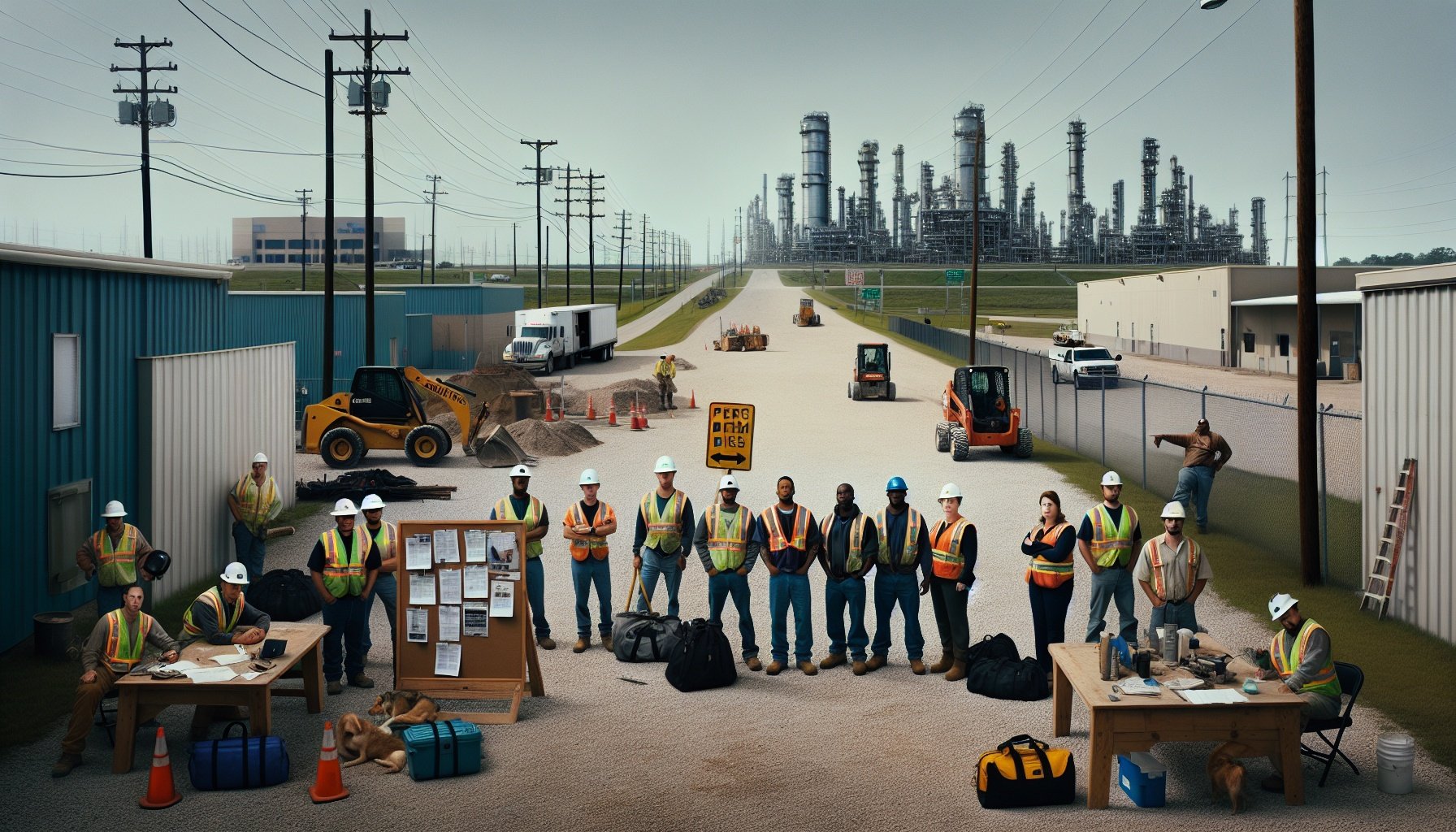
Implementation challenges for Central Louisiana builders, including verification systems, worker mobility, and competition with Texas markets
Central Louisiana builders face added friction if legal status hinges on new verification systems that small firms rarely use today. Many family-run crews in Alexandria, Pineville, and the rural parishes still rely on paper timecards and word-of-mouth referrals, so shifting to digital platforms for tracking hours, identity checks, and training records could demand upfront tech spending and office staff that thin margins do not easily support. Worker mobility also becomes a double-edged sword: once skills and status are documented, experienced concrete and industrial crews can quickly follow higher wages to Beaumont, Houston, or the Golden Triangle, especially on petrochemical and LNG projects. That cross-border competition with Texas markets risks pulling seasoned trades out of Rapides, Avoyelles, and Vernon parishes just as local housing and light commercial demand rises.
Conclusion
Proposed legal status for migrant construction workers stands at the center of a major turning point for Louisiana builders. The Texas congresswoman’s framework responds directly to regional labor shortages, linking immigration policy to everyday challenges such as project delays, bid uncertainty, and rising costs for home improvement firms. By setting clear rules on eligibility, duration of stay, wages, and safety, the proposal offers a path toward a more stable, accountable workforce, while still posing real questions about compliance costs and administrative complexity. Parallels to existing visa programs suggest both promise and pitfalls. With thoughtful planning, data-driven decisions, and steady coordination across contractors, trade groups, and policymakers, Central Louisiana construction can turn this policy shift into a long-term advantage for projects, workers, and communities alike.
Frequently Asked Questions
- How could the proposed migrant worker legal status change affect construction labor availability in Louisiana?
- The proposed legal status for migrant workers could increase the number of legally authorized workers available for construction jobs in Louisiana, especially in Central Louisiana where projects around Alexandria, Pineville, and the surrounding parishes already face tight schedules. Many construction firms rely on migrant labor for framing, concrete, roofing, drywall, and finishing trades.
If more migrant workers gain clear legal status, more workers can apply openly for construction positions, pass background checks, and stay with employers long term. This often leads to:
– Fewer delays caused by labor shortages on job sites
– More stable crews that learn local building codes and project standards
– Better planning of schedules for residential and commercial builds
On the other hand, if the process for legal status is slow or complicated, some workers may leave the state or switch industries, which could temporarily tighten the labor pool and pressure project timelines even more. - What impact might the proposal have on project schedules and deadlines in Central Louisiana?
- Construction schedules across Central Louisiana are already under pressure from weather delays, material shortages, and limited skilled labor. Jobs near landmarks like the Red River, downtown Alexandria developments, and highway projects along I-49 often run on strict deadlines.
If more migrant workers receive legal status, contractors may be able to staff crews more fully and keep multiple trades working at the same time. This can help:
– Reduce gaps between phases like foundation, framing, and finishes
– Shorten wait times for specialty trades such as electrical and mechanical work
– Lower the risk of penalties for missing contractual completion dates
However, during the transition phase, contractors may need extra time for paperwork, training on compliance, and adjusting workforce planning. That short-term adjustment could create temporary slowdowns before the long-term benefits of a more stable legal workforce take hold. - Could wages and labor costs change for Louisiana construction companies if more migrant workers gain legal status?
- Legal status often changes how wages and benefits are handled. With clearer work authorization, migrant workers typically move from informal arrangements to documented employment with proper payroll, taxes, and regulatory protections. For construction in Louisiana, this can create a mix of cost pressures and cost savings.
Potential cost increases:
– Higher base wages as more workers are fully on the books
– Added payroll taxes, workers’ compensation, and insurance
– Compliance costs for recordkeeping and legal guidance
Potential savings and benefits:
– Lower turnover, reducing time and money spent constantly training new workers
– Fewer job-site interruptions tied to labor enforcement actions
– Higher productivity from trained, stable crews familiar with Louisiana building codes and inspection processes
Over time, many contractors may see more predictable labor costs and better budgeting, even if the hourly wage line item rises. - How might the proposed changes influence safety and training standards on Louisiana job sites?
- Construction safety is critical on job sites across Louisiana, from small home renovations in Rapides Parish to large commercial projects near Fort Polk or along the Mississippi River corridor. Clear legal status can encourage more consistent training and reporting.
With more workers formally employed and documented, contractors are more likely to:
– Enroll workers in OSHA training and job-specific safety programs
– Provide regular safety meetings in languages workers understand
– Track certifications for equipment operation, scaffolding, and fall protection
Workers with legal status often feel more secure speaking up about unsafe conditions or asking for proper gear, because the risk of drawing attention to their presence is reduced. This can lead to:
– Fewer accidents and injuries
– Less downtime from safety violations or investigations
– Stronger safety culture on long-running projects like hospitals, schools, and industrial plants
Overall, safety standards often rise when the workforce is stable, trained, and legally recognized. - What legal and regulatory responsibilities could change for Louisiana contractors if migrant workers gain new legal protections?
- If migrant workers receive new or expanded legal status, construction contractors in Louisiana will likely have clearer obligations under both federal and state law. Key areas that may see changes include:
– Verification: Tighter processes for I-9 verification and documentation of work eligibility
– Payroll: Full compliance with wage and hour laws, including overtime rules and recordkeeping
– Benefits and insurance: Proper enrollment in workers’ compensation, unemployment, and possibly company benefit programs
– Anti-discrimination: Stronger enforcement of equal treatment policies in hiring, promotion, and termination
Contractors may need to work more closely with HR professionals, legal counsel, and payroll services to keep everything compliant. For many firms, especially those active around Central Louisiana’s growing residential neighborhoods and public projects, this can mean updated policies, better documentation, and more formal hiring procedures, but also a lower risk of costly fines and legal disputes. - How could the proposal affect local communities and the broader construction economy in Louisiana?
- Construction plays a major role in Louisiana’s economy, touching everything from housing near local schools and churches to industrial work tied to the petrochemical corridor and river ports. Migrant workers are often an essential part of these projects. Granting clearer legal status can ripple through local communities and the overall construction market.
Community impacts may include:
– More stable families as workers gain reliable income and long-term employment
– Stronger housing markets when construction backlogs shrink and new homes, apartments, and renovations move faster
– Increased spending at local businesses, from hardware stores to restaurants and grocery shops
Economic impacts on construction:
– Greater capacity to take on larger or more complex projects
– Better ability to compete for state and federal contracts requiring strict labor documentation
– More predictable timelines, helping investors and developers plan around festivals, tourism seasons, and school calendars
Over time, that stability can support growth in both small local builders and larger firms operating across Central Louisiana and beyond. - What uncertainties or risks do Louisiana construction firms face while the migrant worker proposal is debated and implemented?
- While legislation and policy changes move through debate, contractors across Louisiana sit in a gray area of planning. Projects already running near capacity—such as infrastructure work after severe weather, hospital expansions, or new commercial builds near high-traffic areas—can feel the strain. Key uncertainties include:
– Timing: No clear date for when new rules fully take effect, making it hard to plan long-term workforce needs
– Worker decisions: Some migrant workers may leave the state, pause work, or switch industries if the process seems risky or confusing
– Compliance shifts: Rules for paperwork, audits, and enforcement may tighten, catching unprepared firms off guard
To manage these risks, many firms focus on:
– Building mixed crews that combine local workers and migrant labor with a range of skills
– Investing in cross-training so one trade can back up another when shortages appear
– Strengthening relationships with reputable staffing partners and legal advisors
Until the proposal becomes clear law with final guidance, the construction sector in Louisiana must balance day-to-day project demands with flexible long-term planning.
Categories
News