
2026 Construction Trends Shaping Home Building in Central Louisiana

2026 is shaping up to be the year when global construction trends either push Central Louisiana homes ahead of the curve or leave them playing catch-up. Builders, homeowners, and investors around Alexandria, Pineville, and across Cenla feel squeezed between rising material costs, unpredictable supply chains, and stricter expectations for energy efficiency. The recent 2026 Construction Industry Forecast: Global Trends and Regional Growth – AZoBuild (2026 Construction Industry Forecast: Global Trends and Regional Growth – AZoBuild) highlights that The 2026 Construction Industry Forecast outlines expected global growth in the sector, driven by infrastructure investments and sustainable practices, with projections indicating a 4-5% annual increase. Regional trends show stronger expansion in North America due to housing demands and green building incentives, while challenges like supply chain issues persist. Key opportunities include advancements in modular construction and energy-efficient technologies, offering insights for companies in home improvement and renovation. That kind of growth sounds exciting, but on the ground in Cenla it often feels like delays, backorders, and tough choices on where to spend limited budgets.
Quick Navigation:
Global Construction Shifts in 2026 and What They Mean for Central Louisiana | Energy-Efficient and Resilient Building Strategies for 2026 | Material Innovation and Construction Technology Transforming Cenla Home Projects | Frequently Asked Questions
Neighborhoods from Alexandria’s Garden District to new subdivisions in pineville are already seeing the pressure from both global demand and local housing needs. Families want safer, stronger homes that can handle Red River storms, yet construction labor is tight and experienced crews are booked out months in advance. Contractors are urged to adopt new tools, software, and building methods, but that shift can feel risky when every job needs to stay on schedule and on budget. Add in tougher energy codes, new flood maps, and talk of electrification and solar, and every renovation or new build starts to feel like a high-stakes puzzle.
These challenges matter because they shape how comfortable, efficient, and storm-ready Central Louisiana homes will be for decades. The choices made in 2026 about materials, foundations, roof systems, and technology will decide whether local houses stay affordable to run and easy to maintain as weather swings and energy prices shift. Global trends around modular construction, low‑carbon materials, and digital jobsite tools are not just big-city buzzwords; they are starting to reach local suppliers, lumber yards, and job sites across Cenla. As these forces converge, a clearer picture is emerging of how global construction momentum can translate into smarter, stronger home building in Central Louisiana.
Global Construction Shifts in 2026 and What They Mean for Central Louisiana
As 2026 approaches, global construction is not just expanding; it is reorganizing. Capital is flowing toward climate‑resilient design, smarter building systems, and advanced prefabrication hubs in Europe and Asia. Major manufacturers are reshaping where products are made, how fast they ship, and which regions get priority during high demand. Trade policies, carbon regulations, and insurance pressures are also starting to determine which materials stay affordable and which become specialty items. These global shifts will directly influence product availability, building codes, and project strategies across Central Louisiana, setting the stage for several key changes outlined in the next sections.
Interesting Fact: Central Louisiana’s construction sector benefits from major 2025 project announcements, including industrial expansions that boost home improvement demand through economic spillover.
Source: Business Report
Slowing Global Growth, Steady Southern Momentum: How 2026 Forecasts Shape Residential Demand in Cenla
Forecasts point to global construction growth easing after 2026, but the southern United States, including Central Louisiana, is expected to hold firmer demand as population and household formation continue to shift south. National data shows more families and remote workers choosing lower‑cost regions from Alexandria to Pineville and the smaller towns along US‑165 and I‑49, supporting steady residential permits even as coastal metros cool. Builders in Cenla are likely to see ongoing demand for starter homes, barndominiums, and multi‑generation layouts, especially on the edges of cities and around lakes and rivers. This southern momentum pushes local planning toward scalable neighborhoods, repeatable floor plans, and energy‑efficient specs that can be delivered reliably, even if global growth becomes more uneven.
Did you know? Sustainable building practices in 2026 emphasize green materials and energy-efficient designs, reducing carbon footprints in home improvement projects worldwide.
Source: AZoBuild
Urban Infill, Suburban Spread: Global Density Trends and Lot Development Around Alexandria, Pineville, and Nearby Parishes
Global density trends point to two clear patterns for Central Louisiana in 2026: tighter urban infill around Alexandria and Pineville, and continued lot expansion in outer parishes. Nationally, cities are reworking underused parcels near hospitals, universities, and downtown cores; that same playbook now shapes projects near Rapides Regional Medical Center, Louisiana Christian University, and along MacArthur Drive. Smaller urban lots favor narrow-front homes, duplexes, and accessory dwelling units, while suburban and rural tracts in Grant, Avoyelles, and Vernon Parishes lean toward half‑acre and larger homesites. As global builders test higher density with strong soundproofing, privacy screening, and shared green space, local plans around Cotile Lake, Tioga, and Deville increasingly blend compact footprints with outdoor living and storm‑ready drainage design.
Quick Insight: Global construction output is forecasted to grow by 3.5% in 2026, driven by infrastructure investments and residential projects in emerging markets.
Source: Deloitte Insights
Labor Shortages and Tech Adoption: Global Workforce Pressures Driving New Tools and Methods on Central Louisiana Job Sites
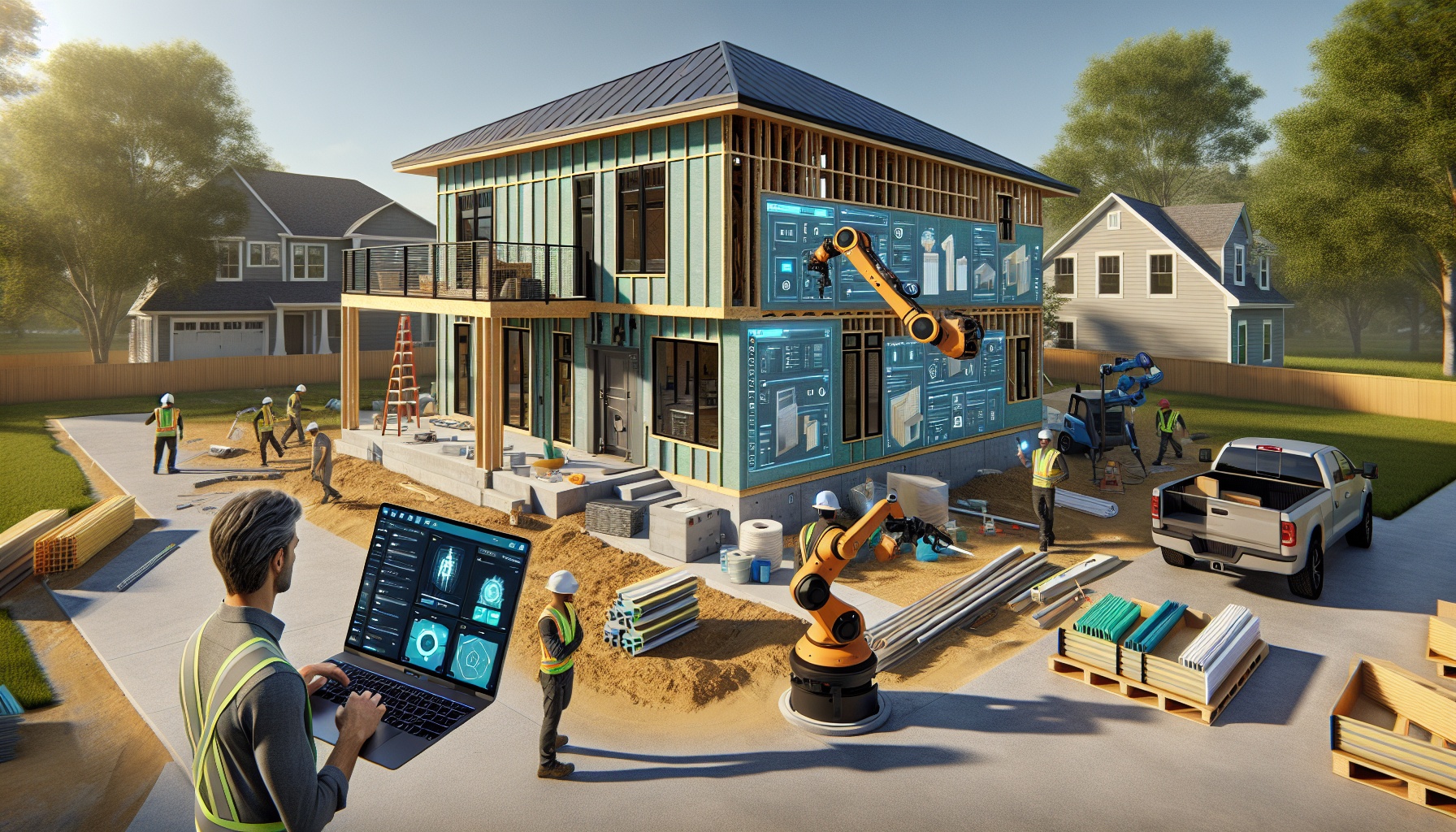
Global labor shortages are pushing construction hubs from Europe to Asia toward higher automation, and the same pressure is reshaping job sites across Central Louisiana. With fewer experienced framers, electricians, and HVAC techs available, crews around Alexandria and Pineville are turning to layout robots, laser-guided grading, and app-based project management to keep schedules on track. Tablet-based checklists and QR-coded plans reduce rework and let smaller teams handle more complex builds, especially on tight urban infill lots. Off-site panelization is gaining ground for subdivisions in Rapides and Grant parishes, speeding framing while improving consistency. Drone progress mapping, 3D reality capture, and AI-driven scheduling are starting to filter into larger custom projects, helping align local timelines with global expectations for precision, safety, and energy-efficient performance.
Energy-Efficient and Resilient Building Strategies for 2026
As forecasts sharpen for 2026, efficiency and resilience start to look less like upgrades and more like core structure. Global research points to building envelopes that cut energy use 30–50%, Roofing systems designed to ride out harsher storms, and mechanical equipment that “talks” to the grid to manage power use during peak demand. For Central Louisiana’s humid climate and storm‑prone seasons, the alignment is direct: better shells, smarter systems, and tougher details. From advanced insulation packages to grid‑ready homes and flood‑savvy site design, the next wave of strategies focuses on building houses that both save energy and stay strong when conditions turn rough.
Pro Tip: U.S. construction activity in 2025 concentrates in southern states including Louisiana, with Central Louisiana seeing increased building due to energy sector growth.
Source: Engineering News-Record
Next-Gen Codes and Standards: How Global Efficiency Mandates Translate to Insulation, HVAC, and Envelope Upgrades in Central Louisiana Homes
Global efficiency mandates are pushing U.S. model codes toward tighter building shells and lower energy intensity, and Central Louisiana is set to feel that shift in the 2026 cycle. Higher minimum R-values for roofs and walls, especially in humid climates, are steering projects toward advanced fiberglass batts, closed-cell spray foam, and hybrid assemblies that reduce air leakage while still allowing controlled drying. HVAC requirements are following suit: SEER2 and HSPF2 standards are raising the floor on system performance, driving more heat pump adoption, variable-speed air handlers, and smarter zoning that handles both summer heat and shoulder-season humidity along Bayou Rapides and around Kincaid Lake. Envelope testing, blower-door verification, and better duct sealing are moving from “nice-to-have” to common practice as insurers and lenders begin rewarding homes that document lower energy and moisture risk.
Climate Resilience and Flood-Aware Design: Global Risk Models Informing Foundation, Drainage, and Roofing Choices Along the Red River
Global flood and wind-risk models used by reinsurers are reshaping design assumptions along the Red River by 2026. Instead of relying only on historical river stages, design teams are tracking updated FEMA maps, NOAA Atlas rainfall curves, and European catastrophe models that factor heavier Gulf-fed storms. Slab-on-grade foundations are shifting to elevated slabs, stem walls, and deepened footings, paired with capillary breaks and moisture-resistant fill. Site plans favor swales, oversized footing drains, and permeable zones that move water away from homes toward controlled discharge. Roofing choices lean toward high-wind-rated shingles, sealed decks, and “dry-in” underlayments that hold up if shingles peel. Together, these strategies create homes that stay habitable longer during Red River flood and wind events.
Electrification, Solar, and Storage: Worldwide Clean-Energy Momentum Creating Local Opportunities for Panels, Backup Systems, and Smart Panels
Global pushes for electrification and decarbonization are accelerating demand for rooftop solar, battery storage, and smart electrical panels by 2026, and Central Louisiana stands to benefit. Falling solar prices, IRA tax credits, and utility incentive programs are making 6–10 kW systems more common on new homes from Alexandria to Pineville. Paired with 10–20 kWh batteries, these systems support critical loads—well pumps, fridges, HVAC air handlers—through Gulf storms and extended outages. Smart panels and load-management devices allow circuits to be prioritized, shifting big draws like water heaters or EV chargers to off-peak hours. Builders are coordinating roof structure, conduit paths, and panel capacity at design stage, turning homes into “grid-ready” platforms that can plug into future microgrids and community solar along the Red River corridor.
Material Innovation and Construction Technology Transforming Cenla Home Projects
As global investment shifts toward smarter, cleaner construction, 2026 is shaping up to be a turning point for the materials and technologies used in Central Louisiana homes. Beyond supply chains and policy changes, the next wave of innovation is happening on the jobsite itself. High‑performance building envelopes, advanced composites that handle heat and humidity, AI‑assisted design tools, and jobsite robotics are moving from big-city pilot projects into everyday residential work. In Cenla, this means faster builds, tighter homes, and longer‑lasting finishes that stand up to storm season, setting the stage for several breakthrough trends in material innovation and construction technology.
Quick Insight: AI and smart technologies integrate into construction workflows for 2026, enabling predictive analytics that streamline home building and renovation processes in regions like Central Louisiana.
Source: CCE Online News
Low-Carbon Concrete, Engineered Lumber, and Recycled Mixes: Global Material R&D Reaching Local Suppliers and Lumber Yards
By 2026, low-carbon concrete blends developed for European and Asian markets are expected to show up in Cenla batch plants and ready-mix trucks. Mixes using slag, fly ash, or calcined clay can cut cement content while still meeting PSI requirements for driveways, foundations, and carports, helping reduce both embodied carbon and heat buildup on hot Louisiana days. Engineered lumber—LVL, glulam, and cross-laminated timber—continues moving from high-end projects into mainstream framing packages, opening options for longer spans in open-concept living rooms and raised porches without oversizing beams. Recycled aggregates, reclaimed asphalt, and ground glass pozzolans are also moving into local supply chains, allowing lumber yards and concrete suppliers from Alexandria to Pineville to stock greener products without sacrificing structural performance.
Prefabrication, Modular Components, and 3D Printing: Off-Site and Hybrid Methods Reshaping Framing and Additions in Central Louisiana
Global pushes for speed, cost control, and labor efficiency are expected to pull Cenla further into off-site and hybrid construction by 2026. Wall panels, roof trusses, and stair cores assembled in regional plants from engineered lumber will ship to jobs in Alexandria, Pineville, and across Rapides and Grant parishes, cutting framing time on additions and new homes. Modular bathroom pods and utility chases pre-plumbed and pre-wired off-site will reduce on-site errors, especially on multifamily infill near MacArthur Drive and the riverfront. Early-stage 3D printing—concrete garden walls, utility sheds, and accessory dwelling unit shells—should appear through partnerships with Gulf Coast vendors, with robots handling repetitive, high-precision tasks while Cenla framing crews focus on tie-ins, porches, and detailed finish work.

Expert Insight: Modular construction methods gain traction in 2026 global trends, allowing faster and cost-effective home improvements tailored to regional needs in areas like Central Louisiana.
Source: Exploding Topics
Digital Jobsite Tools: BIM, Drones, AR, and AI Estimating Moving from Global Megaprojects to Local Contractors and Serious DIYers
By 2026, digital tools once reserved for billion‑dollar airports and offshore platforms are expected to feel normal on Cenla home sites. Compact Building Information Modeling (BIM) platforms will let small contractors load floor plans, HVAC runs, and panelized wall layouts into a single 3D model, catching clash points before the concrete truck leaves the Alexandria plant. Affordable drones will document slab flatness, roof tie‑downs, and backyard drainage in Pineville and ball, feeding mapped photos directly into permit files and insurance records. Augmented reality headsets and phone apps will overlay stud locations, window sizes, and mechanical chases on unfinished walls, helping align factory‑built components. AI estimating tools will scan plans, pull local lumber and concrete pricing, and generate takeoffs for additions, camps along Toledo Bend, and serious garage conversions across Central Louisiana.
Conclusion
Central Louisiana sits at a powerful crossroads where global construction growth, climate realities, and rapid innovation intersect. Forecasts for 2026 point to stronger demand for homes that work smarter, waste less energy, and stand up better to heat and storms. As high‑performance building envelopes, advanced materials, and connected mechanical systems spread, Cenla builders gain practical tools to deliver comfortable, durable homes that match national and global standards.
With global trends now showing up directly on local jobsites, every project in Central Louisiana becomes a chance to build for the next decade, not just the next season. Now is the moment for contractors, designers, and homeowners to lean into these 2026 trends and help make Cenla a regional leader in resilient, efficient home construction.
Frequently Asked Questions
- What are the main construction trends expected to shape home building in Central Louisiana by 2026?
- By 2026, several powerful trends are expected to guide home improvement and new home construction in Central Louisiana:
- Energy‑efficient design
More builders are using advanced insulation, better windows, cool roofs, and high‑efficiency HVAC systems. Homes are being designed to handle Central Louisiana heat and humidity while cutting energy bills.
- Stronger, more resilient structures
Hurricane‑rated roofing systems, wind‑resistant framing, improved fastening methods, and better drainage solutions are becoming standard to handle heavy rain, high winds, and flooding.
- Smart home technology integration
Smart thermostats, security cameras, leak sensors, and automated lighting are being built into homes from day one instead of added later.
- Sustainable and low‑maintenance materials
Fiber‑cement siding, metal roofing, luxury vinyl plank flooring, and composite decking are replacing higher‑maintenance materials like wood in many projects.
- Flexible floor plans and multigenerational layouts
Open‑concept living, flex rooms, home offices, and first‑floor suites for aging parents are becoming more common in Central Louisiana neighborhoods.
- Off‑site and modular elements
Portions of homes such as wall panels or roof trusses are being built off‑site under controlled conditions, then assembled on local job sites for faster, more precise construction.
- Health‑focused indoor environments
Better ventilation, improved air filtration, low‑VOC paints, and moisture control strategies are used to protect against mold and improve indoor air quality.
- How will global supply chain and material cost trends affect home improvement budgets in Central Louisiana by 2026?
- Global supply chains have a direct impact on what homeowners in Central Louisiana pay for construction projects. By 2026, several patterns are likely:
- More stable pricing than the 2020–2022 spikes
Lumber, steel, and other key materials are expected to be less volatile than during pandemic disruptions, but prices will probably remain higher than pre‑2020 levels.
- Greater use of alternative materials
Builders are turning to engineered lumber, metal framing, and composite materials when traditional products are scarce or overpriced. This can help stabilize costs and improve performance.
- Bulk purchasing and local sourcing
Contractors that buy in bulk or work with local or regional suppliers can sometimes buffer cost swings. Central Louisiana builders often lean on Gulf Coast and regional distribution hubs to keep projects moving.
- Smaller, smarter project planning
Many owners are breaking big remodels into phases and prioritizing structural upgrades, roofing, and energy improvements first. This spreads costs out while capturing the most value.
- Labor costs rising gradually
Skilled labor remains in high demand nationwide. As wages tick up, budgets need to account not only for materials, but also for high‑quality workmanship.
Overall, construction is expected to remain more expensive than a decade ago, but better planning, material choices, and design efficiency can keep Central Louisiana projects within realistic budgets. - What energy‑efficient building practices are becoming standard for homes in Central Louisiana by 2026?
- By 2026, energy efficiency is no longer a luxury feature in Central Louisiana homes; it is becoming standard practice. Common upgrades include:
- High‑performance building envelopes
Thicker wall insulation, spray foam in critical areas, sealed attics, and insulated slab edges reduce heat gain in summer and heat loss in winter.
- Efficient windows and doors
Double‑ or triple‑pane, low‑E windows and insulated exterior doors limit solar heat while preserving natural light, especially on west‑ and south‑facing walls.
- Advanced HVAC and duct design
High‑SEER air conditioners, heat pumps, variable‑speed air handlers, and properly sized ductwork help handle Louisiana humidity while keeping power bills in check.
- Smart thermostats and zoning
Zoned systems and programmable or smart thermostats prevent rooms from being over‑cooled, which is important in bigger homes with open floor plans.
- Cool roofs and reflective materials
Lighter‑colored shingles, metal roofing, and radiant barriers in the attic reflect more of the sun’s heat away from the living space.
- LED lighting and efficient appliances
LED fixtures and ENERGY STAR appliances lower electrical use without sacrificing comfort or performance.
These practices not only lower monthly bills but also help homes stay more comfortable during Central Louisiana’s long, hot summers. - How are climate and weather risks influencing construction methods for Central Louisiana homes going into 2026?
- Central Louisiana’s climate—heat, humidity, heavy storms, and hurricane‑related wind—is pushing builders toward more resilient construction methods by 2026:
- Wind‑resistant framing and roofing
Stronger roof decking, more nails or screws per panel, hurricane clips, and reinforced gable ends help roofs stay in place during strong storms.
- Impact‑resistant exterior materials
Impact‑rated shingles, durable siding like fiber‑cement, and tighter fastening systems reduce damage from wind‑driven debris.
- Improved drainage and site design
Grading that slopes water away from foundations, French drains, swales, and raised slabs help protect against flooding and standing water.
- Moisture and mold control
Proper vapor barriers, sealed crawl spaces, dehumidification, and well‑ventilated attics reduce the risk of mold growth in Central Louisiana’s damp climate.
- Backup power and storm‑readiness features
Whole‑house generators, battery storage, and transfer switches are being incorporated into new builds to keep homes functional during outages.
- Stronger building codes and best practices
Local codes continue to adapt in response to Gulf Coast storms. Builders committed to long‑term performance often exceed minimum standards to protect investments.
These methods help homes across parishes like Rapides, Avoyelles, and Grant stand up better to the kind of weather Central Louisiana knows all too well. - What role will smart home technology play in Central Louisiana home construction by 2026?
- Smart home technology is moving from optional upgrade to expected feature in many Central Louisiana new builds and remodels by 2026. Key trends include:
- Built‑in smart infrastructure
Whole‑home Wi‑Fi planning, structured wiring panels, and plenty of low‑voltage wiring make it easier to connect devices across the home.
- Energy and comfort management
Smart thermostats, smart ceiling fans, and automated shades help manage heat and sunlight, which is especially valuable during long Louisiana summers.
- Security and monitoring
Doorbell cameras, smart locks, motion sensors, and integrated alarm systems give owners peace of mind whether they are in Alexandria, Pineville, or out at the lake for the weekend.
- Leak and hazard detection
Water leak sensors, smart shut‑off valves, smoke detectors, and carbon monoxide monitors can send alerts before small problems turn into major damage.
- Voice and app‑based control
Lighting, garage doors, irrigation systems, and even appliances can be controlled by phone or voice, which is especially convenient for busy families.
- Future‑ready design
Even when every device is not installed on day one, many Central Louisiana builders are wiring homes so that new smart systems can be added later without major demolition.
These technologies help homes operate more efficiently and safely, while keeping up with modern expectations for comfort and convenience. - How are sustainability and eco‑friendly materials influencing home design and remodeling in Central Louisiana?
- Sustainability is becoming more important in Central Louisiana, not only for environmental reasons, but also for long‑term durability and comfort. By 2026, several eco‑friendly choices are standing out:
- Long‑lasting exterior materials
Fiber‑cement siding, brick, metal roofing, and high‑quality stucco resist rot, termites, and weather damage better than many traditional products.
- Low‑VOC and healthier finishes
Low‑VOC paints, stains, and adhesives improve indoor air quality, which is especially helpful in tightly sealed, energy‑efficient homes.
- High‑performance insulation
Cellulose, spray foam, and advanced fiberglass options cut energy use and keep interiors more comfortable year‑round.
- Water‑saving fixtures and landscaping
Low‑flow faucets, efficient toilets, and smarter irrigation systems reduce water waste, which is helpful even in a region with plenty of rainfall.
- Recycled and reclaimed products
Reclaimed wood, recycled metal, and composite products made from recycled content add character while reducing landfill waste.
- Solar‑ready roofs and electrical systems
Even when solar panels are not installed immediately, many homes are now built with proper roof orientation, roof load capacity, and conduit paths for future solar systems.
These sustainable choices often reduce long‑term maintenance and operating costs for homes across Central Louisiana, from Alexandria neighborhoods to rural properties along Bayou Rapides. - What changes in floor plan design and lifestyle features are expected in Central Louisiana homes by 2026?
- Lifestyle shifts and lessons from recent years are reshaping how homes in Central Louisiana are laid out and used. By 2026, several design patterns are becoming more common:
- Open yet defined living spaces
Kitchens, dining areas, and living rooms often share open spaces, while ceiling treatments, flooring transitions, and partial walls provide subtle separation.
- Flexible rooms
Bonus rooms, lofts, and extra bedrooms are designed to double as home offices, school spaces, gyms, or media rooms.
- Multigenerational and aging‑in‑place features
First‑floor suites, wider hallways, larger showers with low thresholds, and fewer steps help families live together comfortably for longer.
- Outdoor living upgrades
Covered patios, outdoor kitchens, ceiling fans, and screened porches create comfortable spaces to enjoy Louisiana evenings, whether near Buhlow Lake, Kincaid Lake, or backyard cookouts in Alexandria.
- Bigger pantries and better storage
Walk‑in pantries, mudrooms, and built‑in storage help keep busy households organized.
- Emphasis on natural light
Larger windows, glass doors, and thoughtful orientation bring more daylight indoors while still managing heat gain with overhangs and shading.
These design shifts reflect how Central Louisiana families live, work, and relax today, while preparing homes to stay functional and comfortable well beyond 2026.